
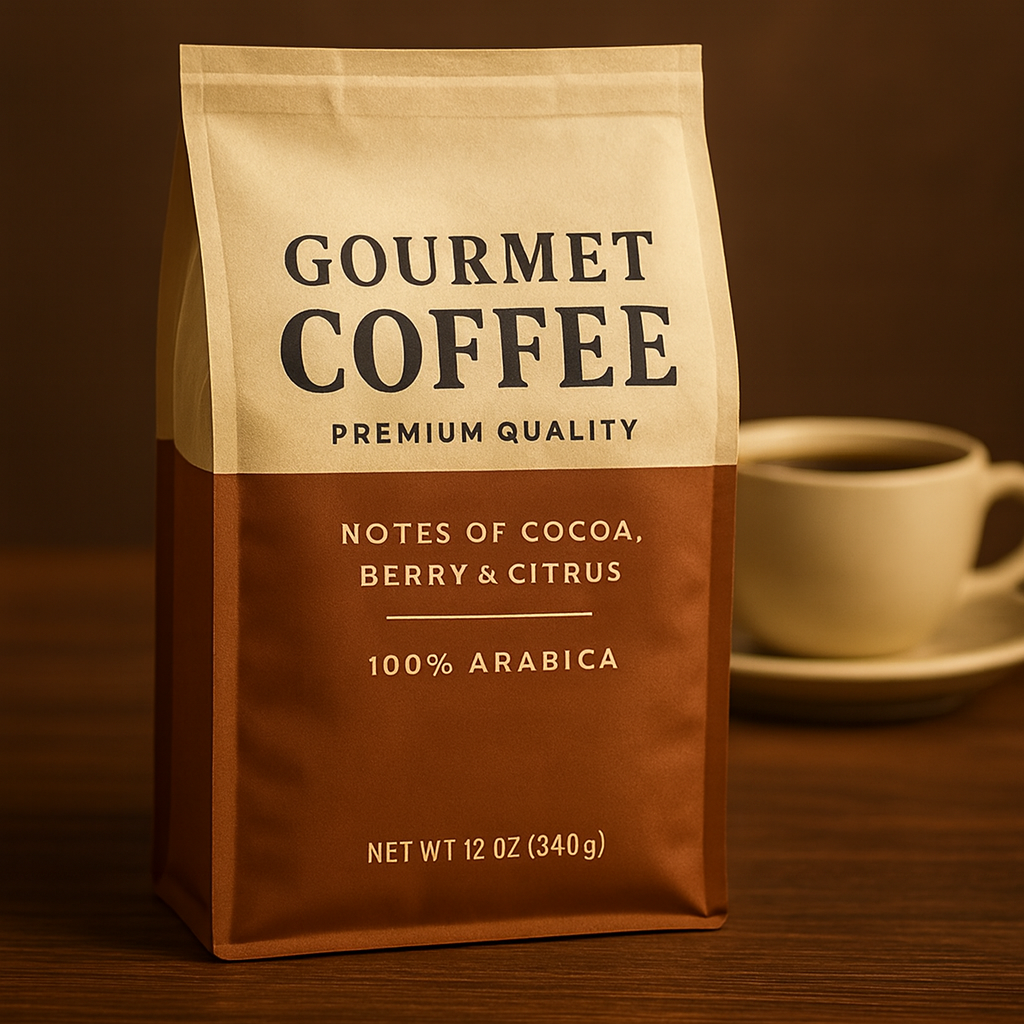
With terms like “gourmet,” “specialty,” and “premium” popping up on coffee bags everywhere, it’s easy to get confused. What exactly is gourmet coffee? Is it just clever marketing, or is there a real difference in quality?
In this article, we’ll break down what makes coffee “gourmet,” how it differs from regular coffee, and how to identify a truly premium product when you’re shopping or sipping at your favorite café.
What Does “Gourmet Coffee” Mean?
“Gourmet coffee” isn’t a strictly regulated term — so technically, any brand can use it. However, in the world of coffee professionals and enthusiasts, gourmet typically refers to high-quality coffee beans that offer superior flavor, aroma, and consistency.
Gourmet coffee usually meets some or all of the following criteria:
- 100% Arabica beans
- Grown at high altitudes (1,200+ meters)
- Hand-picked for ripeness
- Processed with care (washed, natural, or honey process)
- Freshly roasted in small batches
- Traceable to a specific region or farm
Gourmet vs. Specialty Coffee: Are They the Same?
While the two terms are often used interchangeably, there is a difference:
Gourmet Coffee:
- A marketing term
- Implies higher quality but not officially certified
- Can be subjective and inconsistent across brands
Specialty Coffee:
- A term with defined standards
- Graded by certified Q-graders and must score 80+ points out of 100
- Traceable, ethically sourced, and often part of the third wave coffee movement
So, while all specialty coffees are gourmet, not all gourmet coffees meet the specialty standard.
How to Identify Real Gourmet Coffee
Here’s how to tell if that “gourmet” label is the real deal:
1. Origin Information
- Does the bag list the country, region, or even farm?
- The more specific the origin, the more likely it’s high quality.
2. Bean Type
- Look for 100% Arabica (avoid blends that include Robusta unless clearly stated why).
3. Roast Date
- Freshness matters. Real gourmet coffee includes a roast date, not just a “best before” date.
4. Roaster Transparency
- Legitimate gourmet brands share information about sourcing, farmers, and roast profiles.
5. Tasting Notes
- Flavor descriptions like “notes of berry, chocolate, or citrus” signal a focus on nuance and quality.
6. Price Point
- True gourmet coffee costs more. Expect to pay a bit extra for quality, especially from local roasters or direct-trade sources.
Common Traits of Gourmet Coffee
| Trait | Description |
|---|---|
| Flavor | Clean, balanced, with complexity |
| Aroma | Pronounced and appealing |
| Body | Smooth, not overly bitter |
| Acidity | Bright and pleasant (not sour) |
| Freshness | Roasted within 2–4 weeks |
| Sourcing | Transparent, often direct trade |
| Roasting | Medium to light, to preserve origin flavor |
Brewing Matters Too
Even the best gourmet beans can taste bad if brewed poorly. Use proper equipment, clean water, and the right grind size for your method (e.g., French press, pour-over, espresso, etc.).
If you invest in gourmet coffee, also consider:
- A burr grinder for consistent grind size
- A digital scale for accurate measurements
- Fresh, filtered water
Gourmet coffee shines when it’s treated with care from bean to cup.
Red Flags: When “Gourmet” Isn’t Really Gourmet
Be wary of coffee that claims to be gourmet but:
- Comes in vacuum bricks with no roast date
- Is flavored (vanilla, hazelnut) to mask low-quality beans
- Lacks details about origin or roast profile
- Is very cheap (true gourmet coffee reflects the cost of quality)
These are signs that the “gourmet” label is more about branding than actual bean quality.
Where to Buy Real Gourmet Coffee
- Local roasters: Support businesses that source ethically and roast fresh.
- Specialty coffee shops: Often carry curated selections.
- Online subscriptions: Brands like Trade Coffee, Blue Bottle, or regional roasters offer high-quality rotating selections.
- Farm-direct platforms: Some farmers and cooperatives now sell directly to consumers.
Final Sip: Elevate Your Coffee Experience
Gourmet coffee is about more than fancy packaging — it’s about flavor, craftsmanship, and care. By learning how to identify high-quality beans and understanding what makes them special, you can transform your daily cup into a sensory experience.
Next time you shop for coffee, look beyond the word “gourmet” and check for:
- Fresh roast date
- Specific origin
- Arabica beans
- Clear tasting notes
Trust your palate, stay curious, and don’t be afraid to explore — the world of gourmet coffee is rich, rewarding, and full of delicious surprises.