
You’ve chosen quality beans, dialed in your grind size, and mastered your brew method. But there’s one often overlooked ingredient that can make or break your cup — water.
Since coffee is 98% water, it’s no surprise that the type of water you use plays a huge role in how your coffee tastes. In this article, we’ll explore what makes water “good” for coffee, how minerals impact flavor, and which types of water you should use (or avoid) for the perfect brew.
Why Water Quality Matters
Water doesn’t just extract coffee from the grounds — it also carries dissolved minerals that interact with flavor compounds.
Too few minerals? Your coffee may taste flat or sour.
Too many minerals or impurities? You’ll get bitterness, muddiness, or odd flavors.
Good water helps:
- Extract flavor evenly
- Preserve clarity and brightness
- Reveal the coffee’s unique origin notes
What’s in Your Water?
Here are the key components that affect coffee flavor:
1. Total Dissolved Solids (TDS)
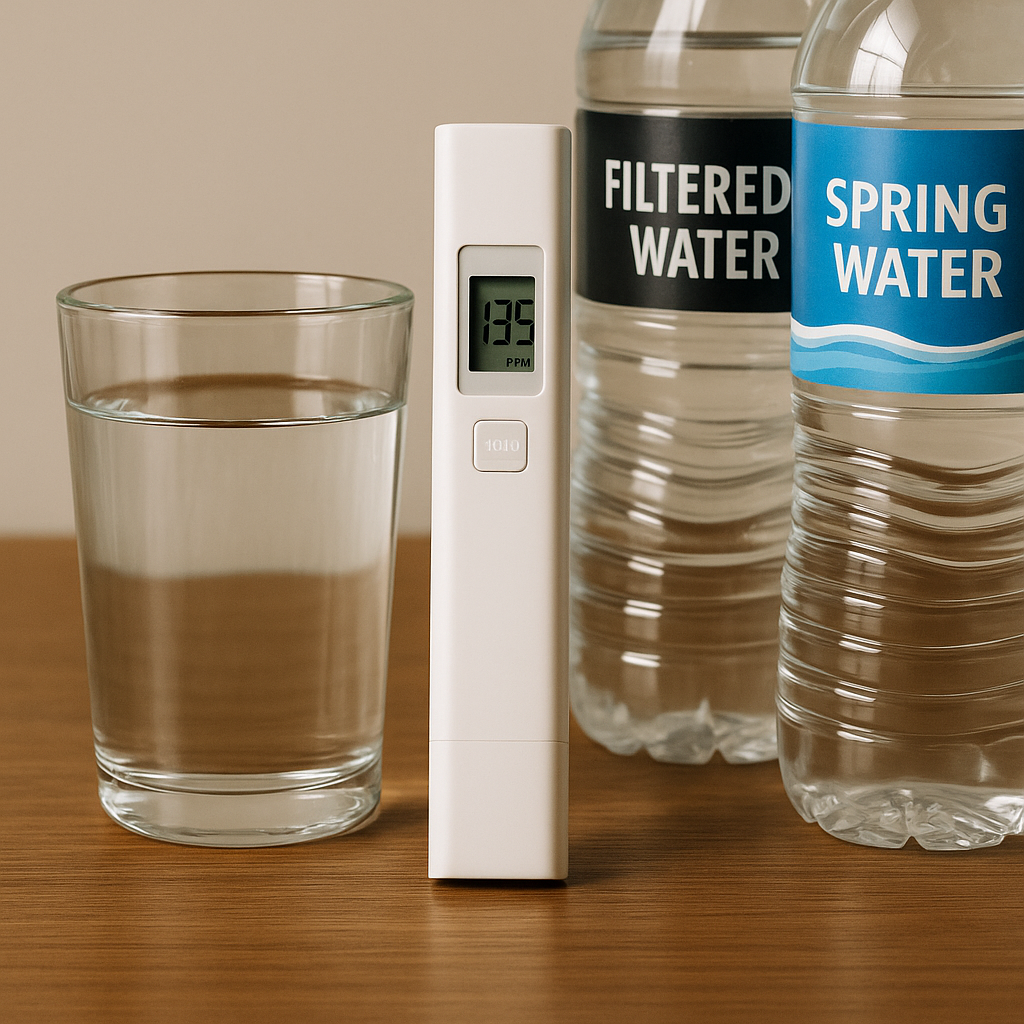
This measures the amount of minerals in your water (usually in parts per million — ppm). Ideal range for coffee: 75–150 ppm
2. Hardness
Refers to the amount of calcium and magnesium. These help with flavor extraction but too much can dull the cup.
3. Alkalinity
Too much alkalinity can lead to chalky or flat flavors. Ideal levels help balance acidity.
4. pH Level
Pure water has a pH of 7. The best water for coffee is slightly acidic (pH around 6.5–7).
The Best Types of Water for Brewing Coffee
1. Filtered Water (Best All-Around Option)
- Removes chlorine, sediment, and some minerals
- Retains enough natural minerals for proper extraction
- Affordable and accessible
- Works well in most brewing setups
Use a simple activated carbon filter pitcher or install a faucet filter for consistent results.
2. Bottled Spring Water
- Contains natural minerals
- Often well-balanced for brewing
- Great for travel or if tap water is poor
Look for brands with TDS between 75–150 ppm
3. Third Wave Water or Custom Mineral Packets
- Specifically designed for coffee brewing
- Add minerals to distilled water for precise control
- Ideal for specialty coffee lovers and cafes
This option is for those who want total control over brewing water chemistry.
Water to Avoid for Brewing Coffee
1. Distilled Water
- No minerals at all = poor extraction
- Can make your coffee taste hollow or sour
- May damage some espresso machines due to lack of conductivity
2. Reverse Osmosis (RO) Water (Without Re-mineralization)
- Similar to distilled: too pure
- If you use RO water, re-mineralize it before brewing
3. Unfiltered Tap Water
- Can contain chlorine, iron, or sulfur — all of which ruin flavor
- May have inconsistent hardness depending on region
- Fine for brewing if filtered
4. Softened Water (From Water Softeners)
- Often high in sodium
- Affects taste negatively, making it salty or flat
How to Test Your Water
You can use:
- A TDS meter (cheap and easy to use)
- Water testing kits (for minerals and pH)
- Ask your local water supplier for a water quality report
Knowing your water helps you adjust your brew or choose the right filter.
Tips to Improve Your Brewing Water
- Use filtered or bottled water with moderate minerals
- Avoid using boiling water straight from the tap — heat it fresh
- Don’t reboil water multiple times — it concentrates impurities
- If using bottled water, choose brands with low to moderate mineral content (avoid “mineral-heavy” or alkaline waters)
Best Bottled Water Brands (Depending on Your Region)
While this can vary, look for brands that are:
- Spring water, not “purified” or “distilled”
- Low in sodium
- Moderate in calcium and magnesium
In the U.S., good options often include:
- Crystal Geyser
- Poland Spring
- Nestlé Pure Life (check TDS levels)
In Europe or other regions, search for similar spring water brands with natural mineral content in the ideal range.
Final Sip: Brew Better with Better Water
Water isn’t just a background ingredient — it’s the silent partner in every cup. Choosing the right water for your coffee can instantly improve flavor, clarity, and balance.
Start simple:
- Use filtered water
- Avoid distilled or softened water
- Test and tweak if you’re chasing perfection
Your coffee deserves water that brings out its best. And once you taste the difference, you’ll never go back.